Premium Denim Manufacturing for Global Fashion Brands
- Mittal Enterprises
- May 19
- 4 min read

The world of fashion is constantly evolving, and one of the most enduring staples in this industry is denim. As a fabric that has transcended generations and trends, premium denim manufacturing plays a crucial role in the success of global fashion brands. This blog post will explore the intricacies of premium denim production, the factors that contribute to its quality, and how brands can leverage these insights to enhance their offerings.
Understanding Premium Denim
Premium denim is not just about the fabric; it encompasses the entire manufacturing process, from sourcing raw materials to the final product. Here are some key characteristics that define premium denim:
Quality of Fabric: Premium denim is typically made from high-quality cotton, often sourced from specific regions known for their superior cotton production.
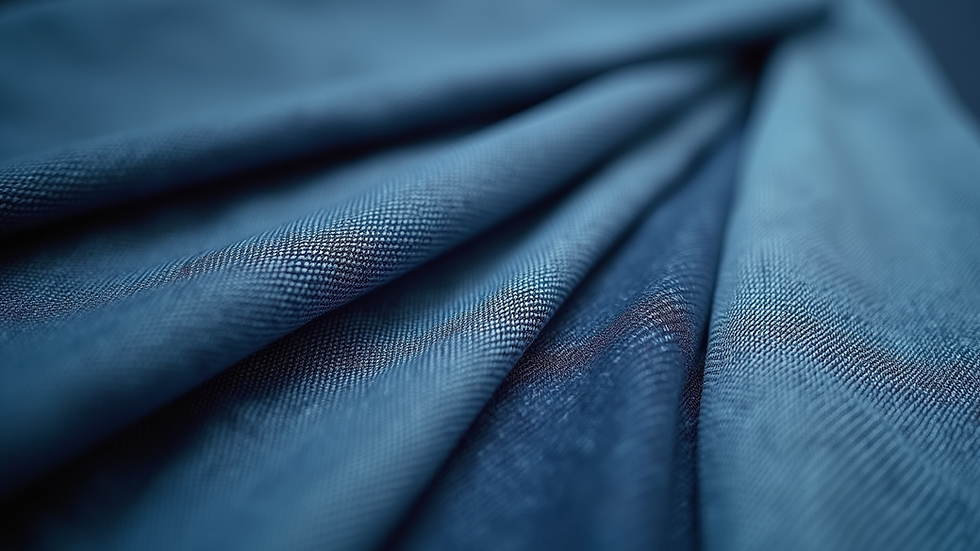
Weaving Techniques: The weaving process can significantly affect the texture and durability of denim. Techniques like selvedge weaving create a tighter, more durable fabric.
Dyeing Process: The dyeing process used in premium denim often involves natural indigo, which not only gives the fabric its iconic blue color but also contributes to its unique fading characteristics over time.
The Importance of Raw Materials
The journey of premium denim begins with the selection of raw materials. High-quality cotton is essential for creating a fabric that is both durable and comfortable. Brands often seek out cotton from specific regions, such as:
Egyptian Cotton: Known for its long fibers and softness.
Pima Cotton: Renowned for its strength and sheen.
These materials not only enhance the quality of the denim but also contribute to the overall sustainability of the production process.
The Weaving Process
The weaving process is where the magic happens. Premium denim is often produced using traditional methods that prioritize craftsmanship. Here are some common weaving techniques:
Selvedge Weaving: This method produces a tightly woven edge that prevents fraying and adds durability. Selvedge denim is often considered a mark of quality.
Ring Spun Yarn: This technique creates a softer and more durable fabric compared to open-end yarns.
By investing in these traditional techniques, brands can offer consumers a product that stands out in terms of quality and longevity.

The Dyeing Process
Dyeing is another critical step in premium denim manufacturing. The use of natural indigo dye not only gives denim its classic blue hue but also allows for unique fading patterns that develop over time. This process can be broken down into several stages:
Indigo Dyeing: The fabric is dipped in indigo dye multiple times to achieve the desired shade.
Washing: After dyeing, the denim is often washed to soften the fabric and enhance its color.
Finishing: This stage may include treatments to improve the fabric's feel and appearance.
The dyeing process is essential for creating denim that not only looks good but also feels good against the skin.
Sustainability in Denim Manufacturing
As consumers become more environmentally conscious, the demand for sustainable practices in denim manufacturing has increased. Brands are now focusing on reducing their environmental impact through various initiatives:
Water Conservation: Techniques such as waterless dyeing and recycling water during the washing process help minimize water usage.
Organic Cotton: Sourcing organic cotton reduces the reliance on harmful pesticides and promotes sustainable farming practices.
Recycling Programs: Some brands have implemented programs that encourage consumers to recycle their old denim, reducing waste and promoting a circular economy.
By adopting these sustainable practices, brands can appeal to eco-conscious consumers while also contributing to a healthier planet.
The Role of Technology
Technology has revolutionized the denim manufacturing process, allowing brands to innovate while maintaining quality. Some technological advancements include:
Laser Technology: This method allows for precise fading and distressing of denim without the use of harmful chemicals.
3D Knitting: This technique enables the creation of seamless garments, reducing fabric waste and improving fit.
By integrating technology into their manufacturing processes, brands can enhance their product offerings while also improving efficiency.
The Market for Premium Denim
The global market for premium denim is thriving, with consumers willing to invest in high-quality products. According to recent studies, the premium denim market is expected to grow significantly in the coming years. Factors driving this growth include:
Increased Disposable Income: As consumers have more disposable income, they are more likely to invest in premium products.
Fashion Trends: The resurgence of vintage and sustainable fashion has led to a renewed interest in high-quality denim.
Brands that understand these market dynamics can position themselves effectively to capture this growing audience.
Case Studies of Successful Brands
Several global fashion brands have successfully navigated the premium denim market by focusing on quality and sustainability. Here are a few notable examples:
Levi's: Known for its iconic denim products, Levi's has embraced sustainable practices by introducing its Water<Less™ technology, which significantly reduces water usage in the manufacturing process.
Nudie Jeans: This brand is committed to sustainability, using organic cotton and offering free repairs for their denim products, promoting a circular economy.
AG Jeans: AG Jeans combines luxury with sustainability, using eco-friendly practices while maintaining high-quality standards in their denim production.
These brands serve as examples of how focusing on quality and sustainability can lead to success in the premium denim market.
Conclusion
Premium denim manufacturing is a complex process that requires attention to detail, quality materials, and sustainable practices. As global fashion brands continue to evolve, understanding the intricacies of denim production will be essential for staying competitive. By prioritizing quality, sustainability, and innovation, brands can not only meet consumer demands but also contribute positively to the environment.
As you explore the world of premium denim, consider how these insights can inform your own fashion choices or business strategies. Investing in quality denim not only enhances your wardrobe but also supports sustainable practices in the fashion industry.
Comments