Quality Control in Bulk Denim Production
- Mittal Enterprises
- May 19
- 4 min read

In the world of fashion, denim holds a special place. It is a fabric that has transcended generations, styles, and trends. However, the journey from raw cotton to a finished pair of jeans is complex and requires meticulous attention to detail, especially when it comes to quality control in bulk denim production. This blog post will explore the essential aspects of quality control in denim manufacturing, the challenges faced, and the best practices to ensure that every piece meets the highest standards.
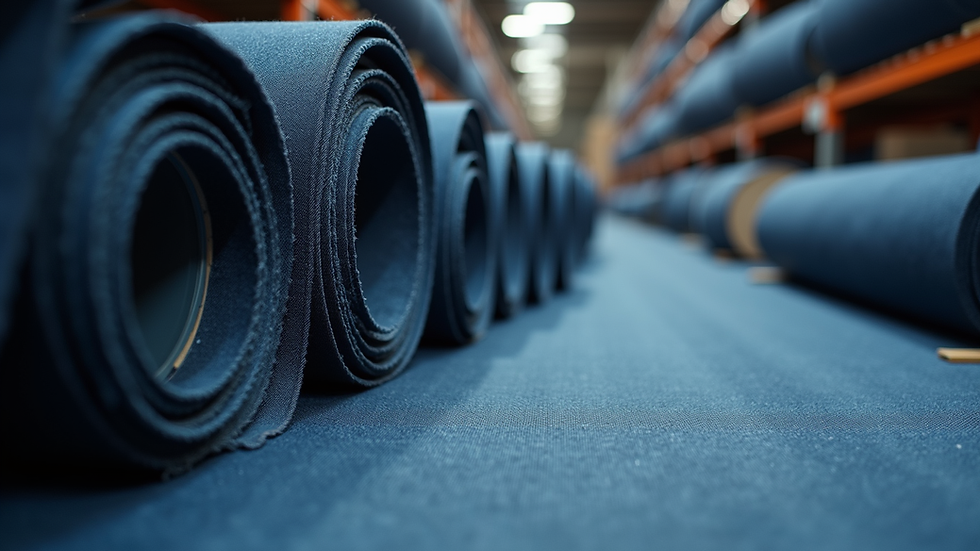
Understanding Quality Control in Denim Production
Quality control (QC) in denim production refers to the systematic process of ensuring that the denim fabric and finished garments meet specific standards of quality. This involves various stages, from the selection of raw materials to the final inspection of the finished product.
The Importance of Quality Control
Quality control is crucial for several reasons:
Customer Satisfaction: High-quality denim leads to satisfied customers who are likely to return for more purchases.
Brand Reputation: Consistent quality helps build a strong brand reputation, which is essential in a competitive market.
Cost Efficiency: Identifying defects early in the production process can save costs associated with returns and rework.
Compliance: Many retailers have strict quality standards that must be met to maintain partnerships.
Key Stages of Quality Control in Denim Production
Quality control in denim production can be broken down into several key stages:
1. Raw Material Inspection
The first step in quality control is inspecting the raw materials. This includes:
Cotton Quality: The quality of cotton used in denim production is paramount. Factors such as fiber length, strength, and color can affect the final product.
Dye Quality: The dyes used for coloring denim must be tested for colorfastness and consistency.
2. Fabric Production Monitoring
Once the raw materials are approved, the next stage is monitoring the fabric production process. This includes:
Weaving: During the weaving process, it is essential to check for any defects such as broken threads or uneven tension.
Finishing: The finishing process involves treatments that enhance the fabric's appearance and durability. Quality checks should ensure that these treatments are applied uniformly.
3. Garment Construction Quality Checks
After the fabric is produced, the next step is garment construction. Quality control at this stage involves:
Sewing: Inspecting seams for strength and consistency is crucial. Any loose threads or uneven stitching can compromise the garment's quality.
Fit Testing: Ensuring that the garments fit as intended is vital for customer satisfaction. Fit samples should be tested on various body types.
4. Final Inspection
The final inspection is the last line of defense against defects. This includes:
Visual Inspection: A thorough visual check for any defects, such as stains, misaligned patterns, or incorrect labels.
Functional Testing: Testing zippers, buttons, and other functional elements to ensure they work correctly.
Challenges in Quality Control
Despite the best efforts, quality control in bulk denim production faces several challenges:
1. Variability in Raw Materials
Raw materials can vary significantly in quality, which can lead to inconsistencies in the final product. For example, different batches of cotton may have varying fiber lengths, affecting the fabric's strength and appearance.
2. Production Scale
As production scales up, maintaining consistent quality becomes more challenging. Larger production runs can lead to oversight in quality checks, resulting in defects slipping through.
3. Fast Fashion Pressure
The fast fashion industry often prioritizes speed over quality. This can lead to corners being cut in the production process, ultimately affecting the quality of the final product.
Best Practices for Effective Quality Control
To overcome these challenges, manufacturers can implement several best practices:
1. Establish Clear Quality Standards
Setting clear quality standards is essential for guiding the production process. These standards should be communicated to all team members involved in production.
2. Invest in Training
Training staff on quality control procedures is crucial. This includes educating them on how to identify defects and the importance of maintaining quality throughout the production process.
3. Use Technology
Incorporating technology can enhance quality control efforts. For example, automated inspection systems can quickly identify defects that may be missed by the human eye.
4. Conduct Regular Audits
Regular audits of the production process can help identify areas for improvement. These audits should assess both the quality of the materials and the effectiveness of the quality control procedures.
5. Foster a Quality-First Culture
Creating a culture that prioritizes quality can lead to better outcomes. Encourage employees to take ownership of their work and to report any quality issues they encounter.
Case Study: Successful Quality Control in Denim Production
One notable example of effective quality control in denim production is the approach taken by a leading denim manufacturer, which implemented a comprehensive quality management system. This system included:
Supplier Audits: Regular audits of suppliers to ensure they meet quality standards for raw materials.
In-Process Inspections: Frequent inspections during the production process to catch defects early.
Customer Feedback Loop: Establishing a feedback loop with customers to gather insights on product performance and quality.
As a result, the manufacturer saw a significant reduction in defects and an increase in customer satisfaction.
Conclusion
Quality control in bulk denim production is a multifaceted process that requires attention to detail at every stage. By understanding the importance of quality control, recognizing the challenges, and implementing best practices, manufacturers can produce high-quality denim that meets customer expectations.
As the denim industry continues to evolve, staying committed to quality will be essential for success. Whether you are a manufacturer, retailer, or consumer, understanding the intricacies of quality control can lead to better products and a more sustainable future for denim.
Take the next step in your denim journey by prioritizing quality in every aspect of production. Your customers will thank you for it.

Comments